
Protecting Your North Texas Foundation: Why Proper Drainage is Your Home's Best Friend
Here in North Texas, we love our vibrant communities and wide-open spaces. But the ground beneath our feet presents a unique challenge for homeowners: expansive clay soil. This type of soil acts like a sponge, swelling dramatically with our heavy spring rains and shrinking during the dry summer months. This constant movement puts immense stress on your home's most critical element—its foundation. For homeowners in the Denton area, understanding and managing water flow around your property isn't just about keeping your lawn from getting soggy; it's about protecting your single largest investment. An ounce of prevention through proper drainage is worth a pound of cure in costly foundation repair.
The Challenge Underfoot: Expansive Clay Soil
The soil in our region is famous for its high clay content. Unlike sandy or loamy soils that allow water to pass through, clay holds onto moisture. When it becomes saturated, it expands with incredible force. When it dries out, it contracts, leaving gaps and cracks in the ground.
This relentless cycle of swelling and shrinking causes the ground supporting your foundation to shift and settle unevenly. Over time, this differential movement can lead to a host of serious problems:
- Foundation Cracks: Hairline cracks can widen into significant structural issues.
- Interior Wall Damage: You might notice cracks in your drywall or plaster, especially around door and window frames.
- Sticking Doors and Windows: When a foundation shifts, it can warp the frame of your house, causing doors to jam or windows to become difficult to open and close.
- Uneven Floors: A noticeable slope or dip in your floors is a classic sign of foundation settlement.
Ignoring these signs can lead to escalating repair costs and compromise the structural integrity of your home. The key to preventing this is controlling the one thing that starts the cycle: water.
Your First Line of Defense: Smart Drainage Solutions
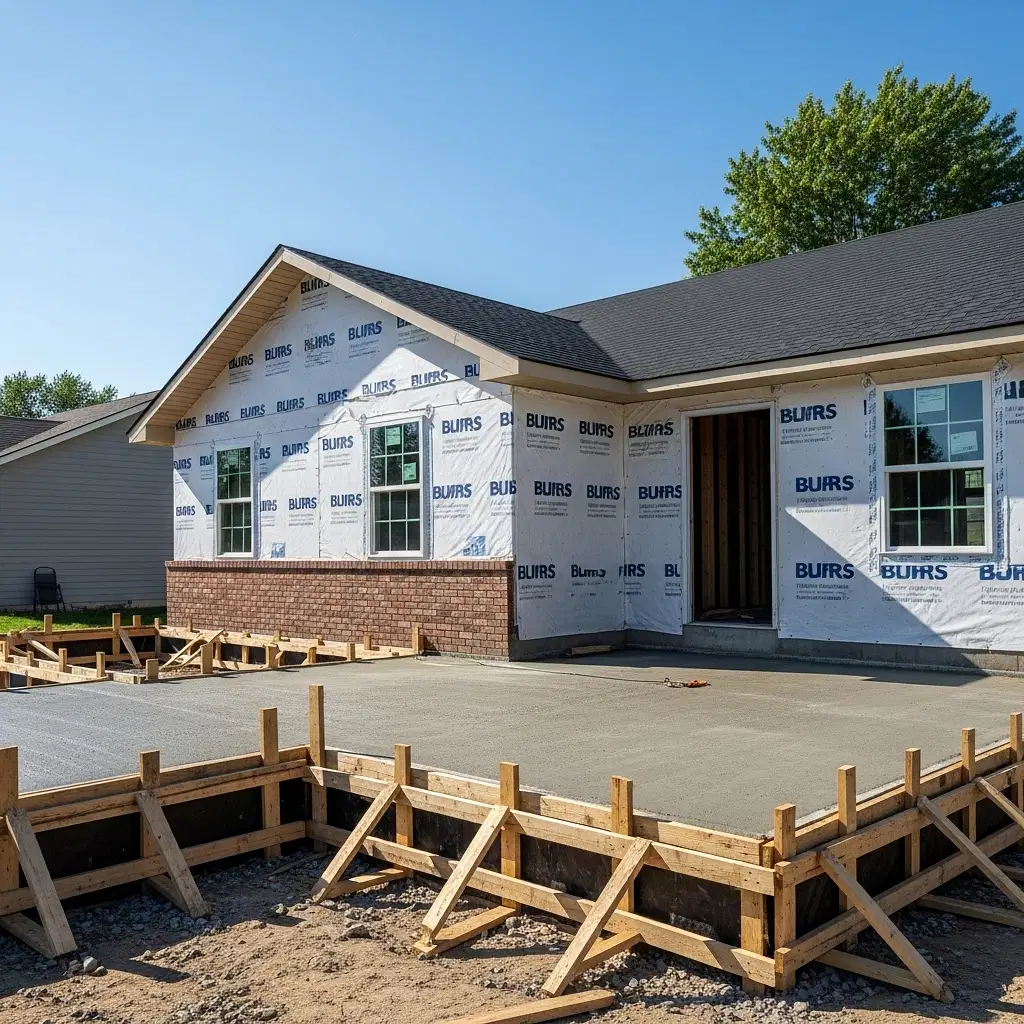
Effective water management is all about directing rainwater away from your foundation before it has a chance to saturate the clay soil. A well-designed drainage system is a comprehensive strategy that ensures water is collected and channeled to a safe discharge point. This isn't a one-size-fits-all solution; it often involves several components working together.
Proper Grading: The most fundamental aspect of drainage is ensuring the ground around your home has a positive slope. The soil should gently grade away from your foundation walls for at least 6-10 feet. This simple contour uses gravity to naturally move surface water away from your home.
Gutters and Downspouts: Your roofing system collects a massive amount of water during a storm. Clean, properly sized gutters and downspouts are essential for capturing this water. Extensions should be used to discharge the water several feet away from the foundation, preventing it from pooling right where it can do the most damage.
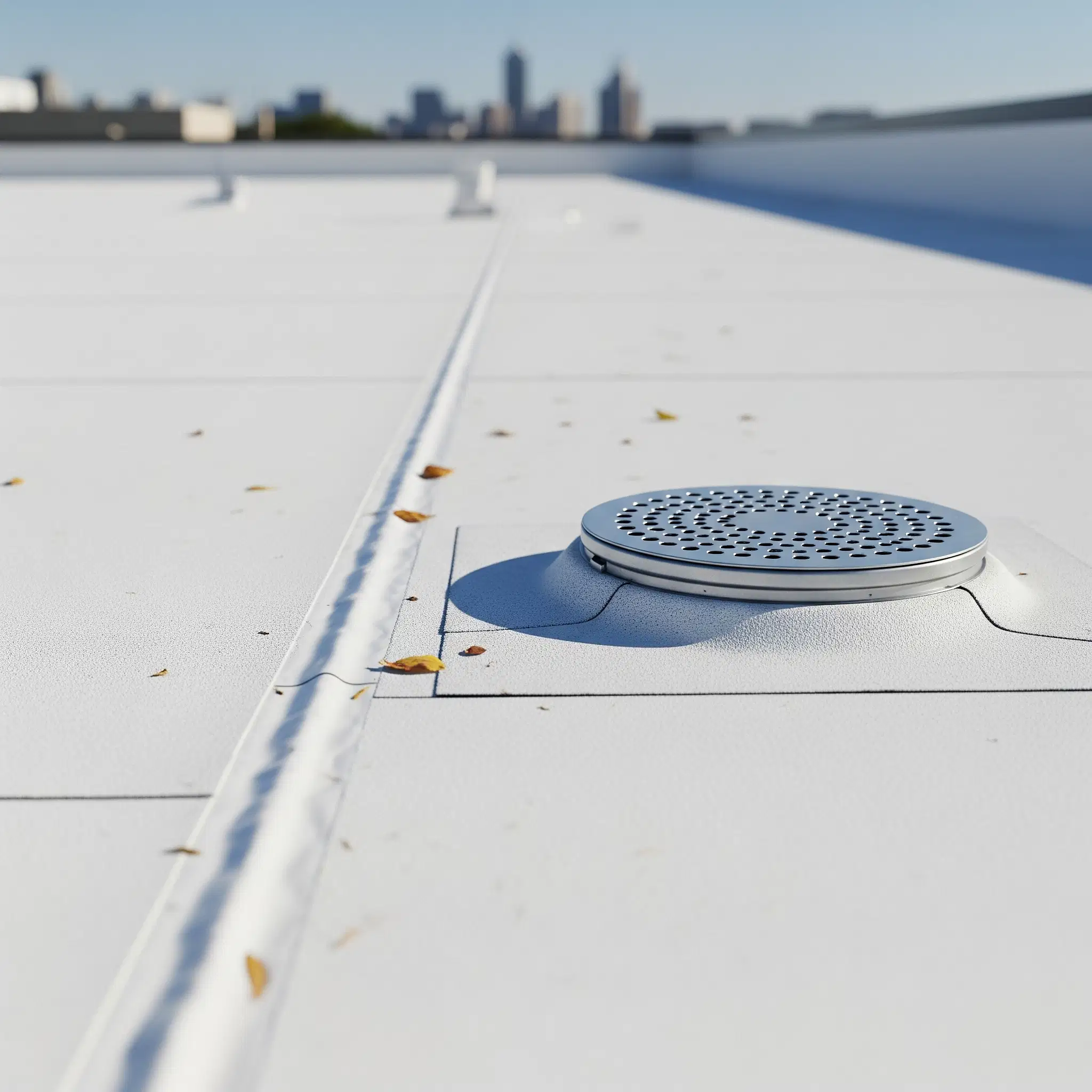
French Drains and Surface Drains: For properties with persistent water issues or low spots, more advanced solutions are necessary. A French drain is a perforated pipe laid in a gravel-filled trench that collects subsurface water and directs it away. Surface drains, or catch basins, are ideal for quickly removing standing water from lawns, patios, and driveways.
By implementing a combination of these solutions, you can maintain a more consistent moisture level in the soil around your foundation, mitigating the damaging swell-shrink cycle.
Integrating Drainage into Your Home's Design
Protecting your foundation goes beyond just installing drains. It's about thinking holistically about how every element of your property interacts with water. This is especially important when planning new projects.
When you're looking to enhance your property, consider how new features can improve, rather than hinder, your drainage. A professionally installed concrete patio or walkway, for example, should be carefully graded to direct water away from your home. Poorly planned hardscaping can accidentally trap water against your foundation, creating a problem where one didn't exist before.
Similarly, creating beautiful and functional outdoor spaces offers a perfect opportunity to build in smart drainage from the ground up. Features like retaining walls, garden beds, and pergolas can all be designed to complement your property's overall water management plan.
If you're considering a home addition, it is absolutely critical to plan for how the new structure will affect water runoff. Extending your roofline and foundation footprint changes everything. Integrating a comprehensive drainage plan from the start ensures your new space doesn't create future foundation headaches.
Take a Proactive Stance on Foundation Protection
Your home's foundation is too important to leave to chance. In North Texas, proactive water management is the single most effective strategy for ensuring its long-term stability and protecting your home's value. By understanding the challenges of our expansive clay soil and implementing smart, professional drainage solutions, you can prevent minor issues from becoming major, costly repairs.
If you have concerns about water pooling near your home or are planning a new project, don't wait for the warning signs of foundation damage to appear. The team at Lee Construction has the expertise to assess your property's unique needs. Whether you need a comprehensive drainage system, expertly graded concrete work, or a beautifully designed outdoor space that protects your home, we're here to help. Contact us today for a consultation and let's build a solid plan to protect your Denton home from the ground up.