
After the Storm: A Homeowner's Guide to Safe Tree Debris Removal in North Texas
The recent storms across North Texas have left a trail of damage, leaving many homeowners facing the daunting task of cleanup. From Springtown to Garland, downed trees and scattered debris can feel overwhelming. The first instinct might be to grab a chainsaw and get to work, but dealing with storm-damaged trees can be hazardous. Safety should always be the top priority.
As a local general contractor, we've helped countless families in the Fort Worth area recover from severe weather. We understand the stress and uncertainty that follows a major storm. This guide will walk you through the essential steps for assessing the damage, understanding what you can safely handle yourself, and knowing when it's time to call in professionals for tree debris removal and property repairs.
Your First Steps: Safety and Assessment
Before you begin any cleanup, it's crucial to assess the situation safely. Rushing into the yard can put you at risk from unseen dangers.
- Check for Downed Power Lines: This is the most critical first step. If you see any downed lines, stay far away and contact your utility company immediately. Never assume a line is dead.
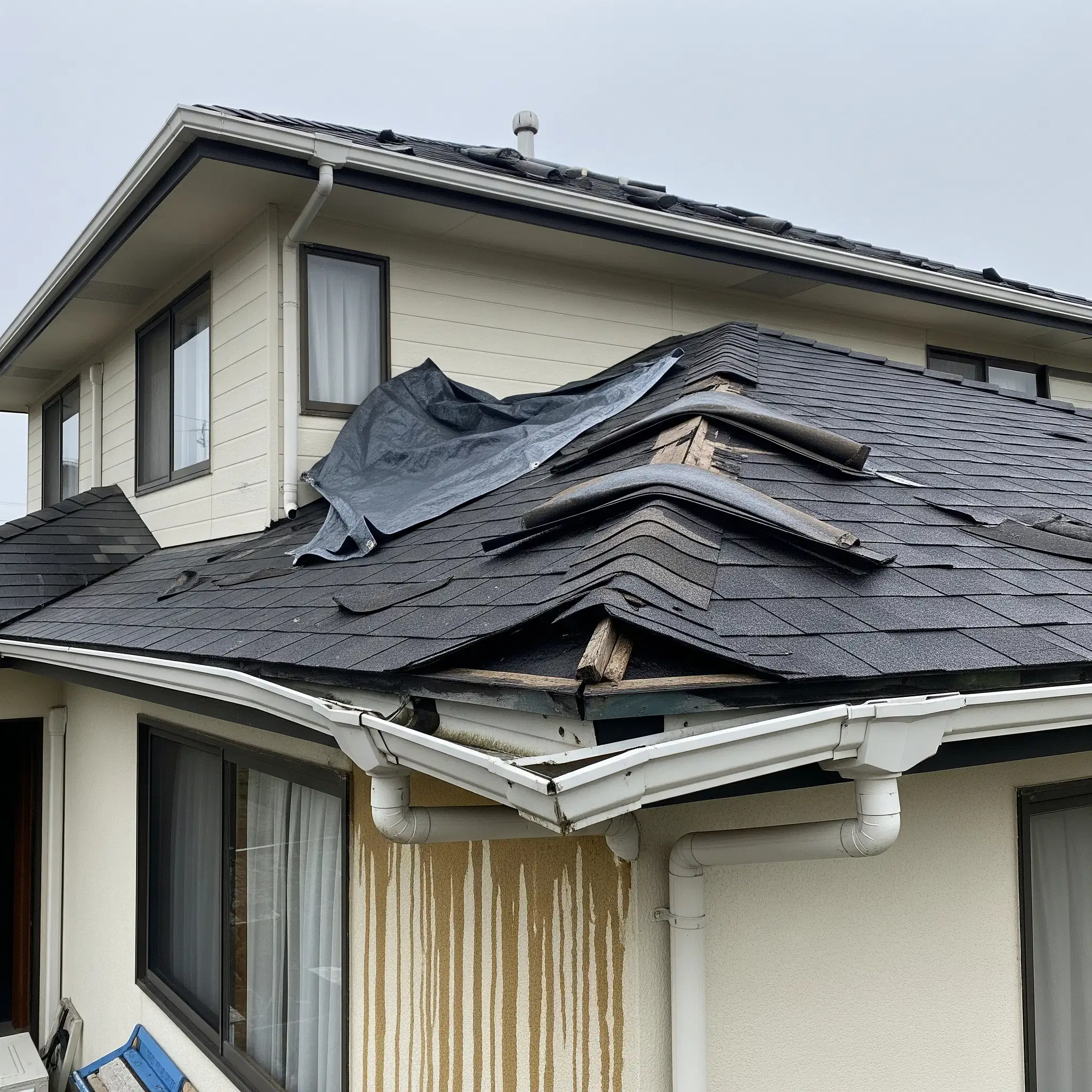
- Inspect Your Home's Structure: Look for branches that have fallen on your roof, siding, or windows. Check for any structural damage before you start working nearby.
- Document Everything: Take photos and videos of all the damage from multiple angles. This documentation is essential for your insurance claim. Capture images of the fallen trees, any damage to your home, fencing, or other structures.
- Beware of Hidden Dangers: Fallen trees can be unstable. Branches might be under tension and could snap back unexpectedly. Avoid walking under large, hanging limbs, often called “widow-makers,” as they can fall without warning.
The Cleanup Dilemma: What You Can Handle vs. When to Call a Pro
Once you've assessed the immediate safety risks, you can start planning the cleanup. It's important to be realistic about what you can safely manage on your own.
DIY-Friendly Tasks:
- Picking up small twigs and leaves.
- Moving small branches that you can carry easily without straining.
- Piling small debris by the curb for municipal pickup, if available.
When to Call a Professional:
- Large Trees or Limbs: Anything that requires a chainsaw should be handled by an experienced professional, especially if the branches are larger than 6 inches in diameter.
- Leaning Trees: A tree that is still standing but leaning precariously is extremely dangerous and requires expert evaluation and removal.
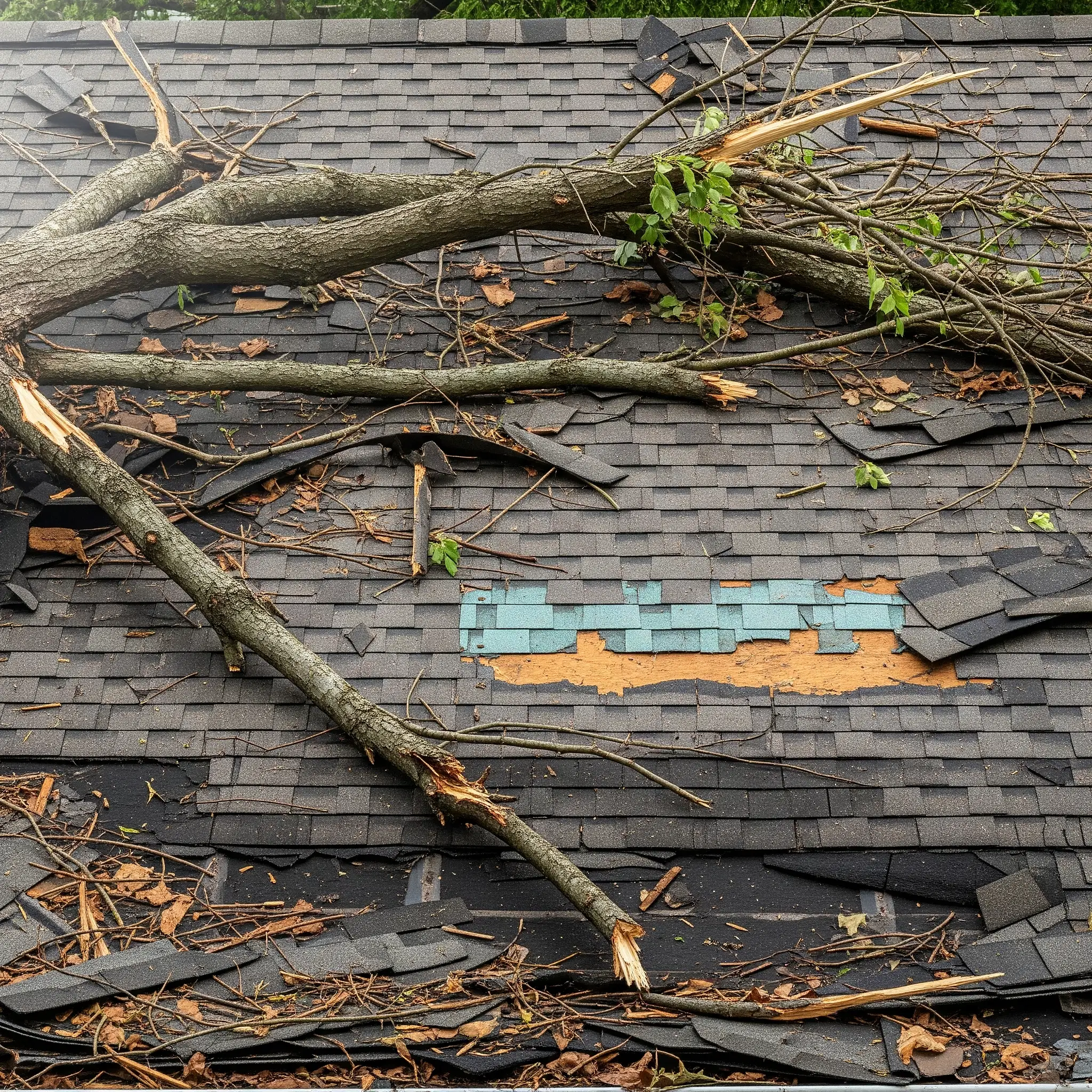
- Debris on Your Roof: Never climb onto a wet roof to remove a branch. A professional has the safety equipment and expertise to do this without causing further damage to your home or risking injury.
- Uprooted Stumps: Removing a root ball is a significant job that requires heavy equipment.
Attempting large-scale demolition and removal without the right training and tools can lead to serious injury or damage to your property. A professional crew has the equipment, insurance, and knowledge to clear the debris safely and efficiently.
Beyond the Branches: Inspecting for Hidden Storm Damage
The visible debris is only part of the story. The impact from falling trees and high winds can cause underlying issues that may not be immediately obvious. A thorough inspection is a key part of the recovery process.
- Roofing: Even a medium-sized branch can puncture shingles and decking, leading to leaks. Look for missing shingles, dents in vents, or cracks. A comprehensive hail & storm damage repair assessment can identify issues you might miss from the ground.
- Fencing and Decks: Check for cracked posts, broken boards, and shifted foundations on your deck or patio. A fallen tree can easily compromise the structural integrity of your fencing or decks & patios.
- Siding and Windows: Inspect your home's exterior for cracks, holes, or other damage from flying debris or direct impact.
Addressing these issues promptly can prevent more costly repairs down the road, such as water damage from a slow roof leak.
Reclaiming Your Property with Confidence
Recovering from a storm is a process, but you don't have to handle it alone. Taking a safe, methodical approach to cleanup and repairs will help you restore your property and your peace of mind.
If your property in Runaway Bay, Fort Worth, or anywhere across the North Texas region has been impacted by storm damage, Lee Construction is here to help. We provide safe, efficient tree debris removal and comprehensive storm damage repair services, from fixing your roof to rebuilding your fence. Contact us today for a consultation and let our experienced team help you get your home back to pre-storm conditions.